

Tanzania is renowned globally for its natural beauty, Cultural tours, iconic wildlife, and rich cultural heritage. From the Serengeti’s sweeping savannahs to Mount Kilimanjaro’s majestic peak, the country attracts millions of visitors each year. Yet, beyond these famous Tanzania tourism destinations lie opportunities for Tanzania cultural tours that delve into the lives and traditions of rural communities. Community-based tourism (CBT) has emerged as a transformative approach to empower rural communities economically while promoting cultural preservation and environmental sustainability.
A recent proposal sheds light on how CBT can serve as a tool for economic empowerment in rural Tanzania. By involving local communities in tourism activities, CBT creates opportunities for them to directly benefit from the industry while fostering sustainable practices and cultural pride. This article delves into the core principles of CBT, its implementation strategies, success stories, and challenges, offering a detailed look at its role in shaping Tanzania’s future.
What is Community-Based Tourism?
Community-based tourism is a model that places local communities at the heart of tourism activities. Unlike mainstream tourism, where large corporations often dominate the industry, CBT ensures that local people play an active role in offering services such as Tanzania cultural tours, guided experiences, accommodations, and crafts. Revenue generated through CBT initiatives flows directly into the communities, supporting local livelihoods and fostering economic resilience.
In the Tanzanian context, CBT typically involves experiences such as:
- Visiting rural villages to learn about traditional ways of life.
- Participating in cultural activities like dances, storytelling, and cooking.
- Exploring natural landscapes under the guidance of community-trained local guides.
- Purchasing handicrafts and art made by local artisans.
By creating these authentic and immersive experiences, CBT not only benefits tourists but also positions local communities as stewards of their cultural and environmental assets.
Economic Empowerment through CBT
One of the most significant benefits of CBT is its potential to economically empower rural communities. Tanzania’s rural areas are often characterized by high levels of poverty and limited access to formal employment opportunities. CBT provides a pathway for these communities to generate income and develop new skills. The recent proposal outlines several strategies for achieving economic empowerment through CBT:
1. Skill Development
To thrive in the tourism industry, communities need training and capacity-building programs. These programs focus on equipping locals with essential skills such as hospitality, tour guiding, marketing, and financial management. For example, training community members to serve as guides enables them to lead tours that showcase their unique knowledge of local culture and natural environments. Similarly, workshops on handicraft production help artisans create high-quality products that appeal to tourists seeking unique keepsakes from their Visit Tanzania experience.
2. Infrastructure Development
Many rural areas in Tanzania lack the infrastructure needed to support tourism, such as roads, accommodations, and communication networks. Investing in infrastructure development is crucial for making these areas accessible to tourists. Improved infrastructure not only facilitates tourism but also benefits the broader community by enhancing access to markets, education, and healthcare.
3. Cultural Preservation
CBT initiatives often revolve around sharing and celebrating local culture. This creates an economic incentive for communities to preserve their traditions, from language and dance to craft-making and farming techniques. Tourists seeking authentic Tanzania cultural tours are drawn to destinations where cultural heritage is alive and thriving.
4. Environmental Conservation
Tanzania’s rural areas are home to diverse ecosystems, including forests, wetlands, and savannahs. CBT integrates eco-tourism principles to ensure that tourism activities are conducted sustainably. By involving local communities in conservation efforts, CBT fosters a sense of ownership over natural resources. Revenue generated from tourism can also be reinvested in conservation projects, such as reforestation or wildlife protection.
Success Stories in Tanzania
Several community-based tourism initiatives in Tanzania exemplify the potential of this model. These initiatives highlight how CBT can drive economic growth, cultural preservation, and environmental sustainability:
Maasai Cultural Experiences
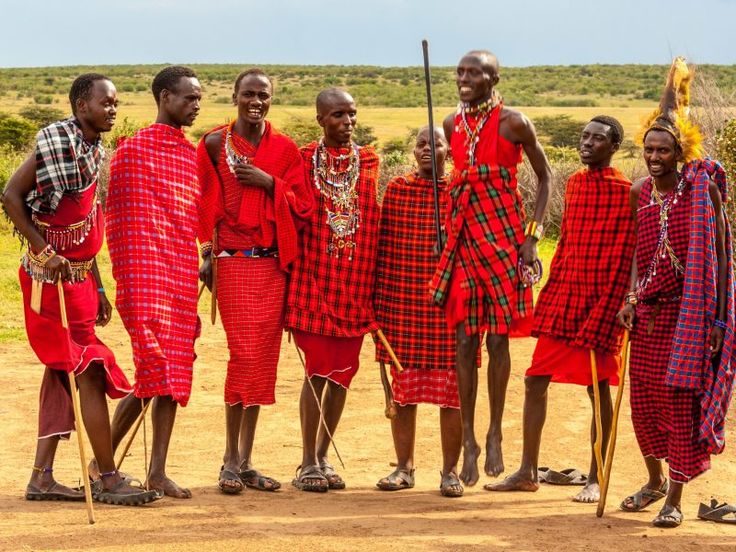
The Maasai people are one of Tanzania’s most iconic ethnic groups, known for their distinctive dress, pastoral traditions, and age-old customs. Community-based tourism has enabled the Maasai to share their culture with visitors through guided village tours, dance performances, and storytelling sessions. Proceeds from these activities support community projects, such as building schools and clinics, while empowering Maasai women through the sale of handmade beadwork and jewelry.
Hadzabe Tribe Tours
The Hadzabe, one of the last remaining hunter-gatherer communities in the world, offer tourists a rare glimpse into their ancient way of life. Visitors can join the Hadzabe on hunting and gathering expeditions, learning about their deep connection to the environment. Revenue from these tours provides the tribe with a sustainable income, helping to safeguard their unique traditions and lifestyle.
Usambara Mountains Ecotourism
The Usambara Mountains in northeastern Tanzania offer stunning landscapes and rich biodiversity. Through community-based tourism, local guides lead visitors on hikes that explore the region’s forests, farms, and villages. Tourists have the opportunity to stay in homestays, enjoy locally grown food, and learn about sustainable farming practices. CBT in the Usambara Mountains has created jobs for local youth and fostered environmental awareness.
Challenges Facing Community-Based Tourism
While the potential of CBT in Tanzania is immense, several challenges must be addressed to ensure its success:
Limited Funding
Many rural communities lack the financial resources needed to establish and sustain CBT initiatives. Investments are required for infrastructure development, training programs, and marketing efforts. Partnerships with NGOs, government agencies, and private sector organizations are crucial for securing the necessary funding.
Marketing and Visibility
Promoting CBT experiences to a global audience can be challenging for rural communities with limited access to digital platforms. Developing strong marketing strategies and leveraging platforms like social media, travel blogs, and online booking sites can help increase visibility and attract tourists interested in authentic Tanzania tourism destinations.
Balancing Tourism and Cultural Integrity
While tourism provides economic opportunities, it can also pose risks to cultural integrity. Communities must strike a balance between sharing their traditions and maintaining their authenticity. Clear guidelines and community-led decision-making processes are essential to achieving this balance.
Environmental Impact
Tourism, if not managed responsibly, can lead to environmental degradation. CBT initiatives must prioritize sustainable practices, such as waste management, renewable energy use, and wildlife protection, to minimize their ecological footprint.
The Role of Partnerships and Support
To overcome these challenges, collaboration is key. Organizations like Funds for NGOs play a critical role in supporting CBT initiatives by providing grants, training, and resources. Additionally, government policies that prioritize sustainable tourism development and empower local communities are essential for creating an enabling environment for CBT.
Tourists, too, can contribute by choosing to participate in community-based tourism experiences and supporting ethical travel practices. By prioritizing CBT, travelers can ensure that their visits have a positive impact on the communities they visit.
A Sustainable Future for Rural Tanzania
Community-based tourism is more than just a way to boost economic growth, it is a holistic approach to sustainable development. By empowering rural communities, preserving cultural heritage, and protecting natural resources, CBT has the potential to transform Tanzania’s tourism industry into a force for good.
As Tanzania continues to develop its CBT initiatives, the benefits will extend far beyond the tourism sector. Stronger rural economies, greater cultural pride, and healthier ecosystems will create a brighter future for the country as a whole. Whether you are a traveler, policymaker, or development partner, supporting community-based tourism is a step toward creating a more inclusive and sustainable world.
For those looking to experience Tanzania’s hidden gems while making a meaningful impact, community-based tourism offers an unparalleled opportunity. Visit Tanzania to uncover its vibrant culture, breathtaking landscapes, and the incredible stories of its people. Community-based tourism is not just about visiting a destination; it’s about connecting with its people, understanding their stories, and contributing to their journey of empowerment.
Your article helped me a lot, is there any more related content? Thanks!
Thank you
Thanks for sharing. I read many of your blog posts, cool, your blog is very good.
You’re most welcome
Your article helped me a lot, is there any more related content? Thanks!
Your article helped me a lot, is there any more related content? Thanks!
Thanks for sharing. I read many of your blog posts, cool, your blog is very good.
I’m amazed, I have to admit. Rarely do I come across a blog that’s equally educative and entertaining, and without a doubt, you have hit the nail on the head. The problem is something that too few folks are speaking intelligently about. Now i’m very happy that I stumbled across this in my hunt for something concerning this.
Thank you for your sharing. I am worried that I lack creative ideas. It is your article that makes me full of hope. Thank you. But, I have a question, can you help me?
Can you be more specific about the content of your article? After reading it, I still have some doubts. Hope you can help me. https://www.binance.info/cs/register?ref=OMM3XK51
Thanks for sharing. I read many of your blog posts, cool, your blog is very good. https://accounts.binance.com/en-NG/register-person?ref=YY80CKRN